ServicesConcrete Backyards
Concrete Backyards in Fullerton
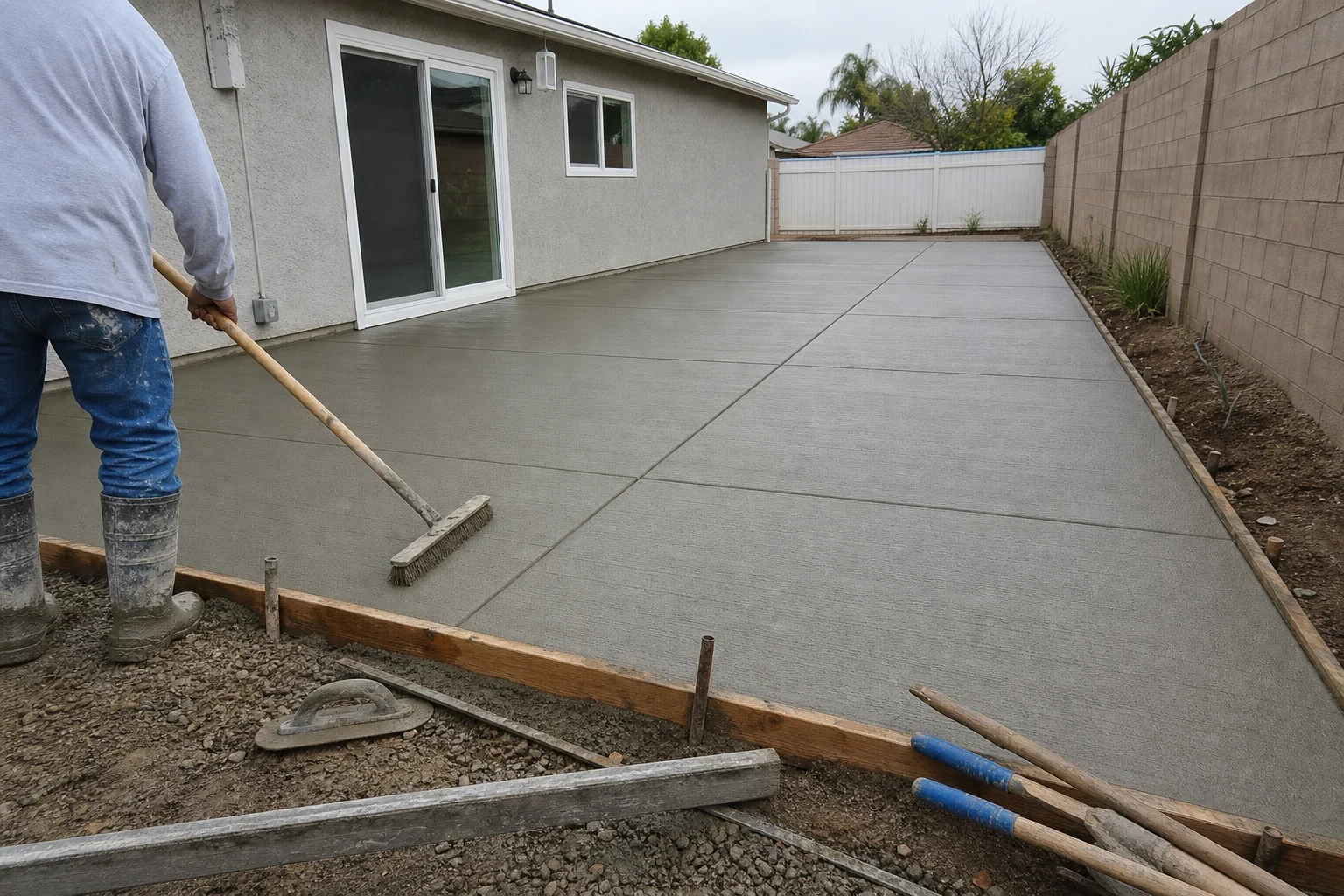
We pour full backyard concrete that is graded to move water away from your home, finished to suit how you use the space, and scheduled for weather that lets the slab cure slowly and evenly. You get a usable yard instead of mud, dust and weeds.
A Finished Yard, Planned Before the First Form Goes In
With a concrete backyard, we pave the open space behind your home as one connected surface. That can include a sitting area, a path out to the side gate, and pockets deliberately left as soil for planters or a small patch of lawn. It makes sense when the yard is mostly bare dirt, the grass has stopped growing, or scattered old slabs sit at different heights.
What makes a yard last is decided before any concrete shows up. We watch how rainwater moves today, set a slope that sends it to the street or a drain instead of toward the house, and lay out control joints so shrinkage cracks follow neat, planned lines. Most families live in their yards through the long dry summer, so we try to finish and cure the slab well ahead of it, or before the winter rains if your yard goes soft every January.
What a Backyard Pour Includes
- Removal and haul-off
- Old concrete gets broken up, grass and roots get pulled, and we truck all of it away. The crew begins on bare, clean soil.
- Grading for drainage
- We shape a gentle slope away from your foundation, usually toward the outlets your yard already has. If water has no exit, drain inlets can be set right into the slab.
- Compacted base and reinforcement
- We compact the native soil and add a layer of base rock. Rebar or wire mesh is lifted on small supports so it ends up embedded mid-slab rather than resting on the ground below.
- Layout around what stays
- Before forming, we measure around trees, planters, the AC pad and gas lines. Openings and edges are cut clean so the finished yard reads as planned, not as an afterthought.
- Your choice of finish
- Choose broom texture for traction, smooth troweled borders, exposed aggregate, or stamped concrete across some or all of the space. We bring samples to your home so you can judge color in natural light.
- Cleanup and handoff
- We pull the forms, backfill the edges and sweep the site. Then we walk the yard together and go over care for the first few weeks.
Signs Your Backyard Is Ready for Concrete
Puddles collect by the foundation
Standing water near the house after rain means the ground tilts the wrong way. Pouring a new slab gives us the chance to reverse that slope.
Mud every winter
When bare soil ends up on your floors from December into March, it is often what prompts a fall phone call to us.
Slabs that have lifted or settled
Tilted sections that catch toes or slope toward the house are usually better replaced with one well-prepared pour than patched again.
A lawn that costs more than it gives
Summer heat and watering limits turn many lawns brown by August. A concrete yard with a few planting beds stays usable on a fraction of the water.
You want room for furniture and a grill
A flat, solid surface makes outdoor meals, kids' play and shade structures practical where gravel or pavers often fall short.
How the Job Runs
- 1
Phone call and site visit
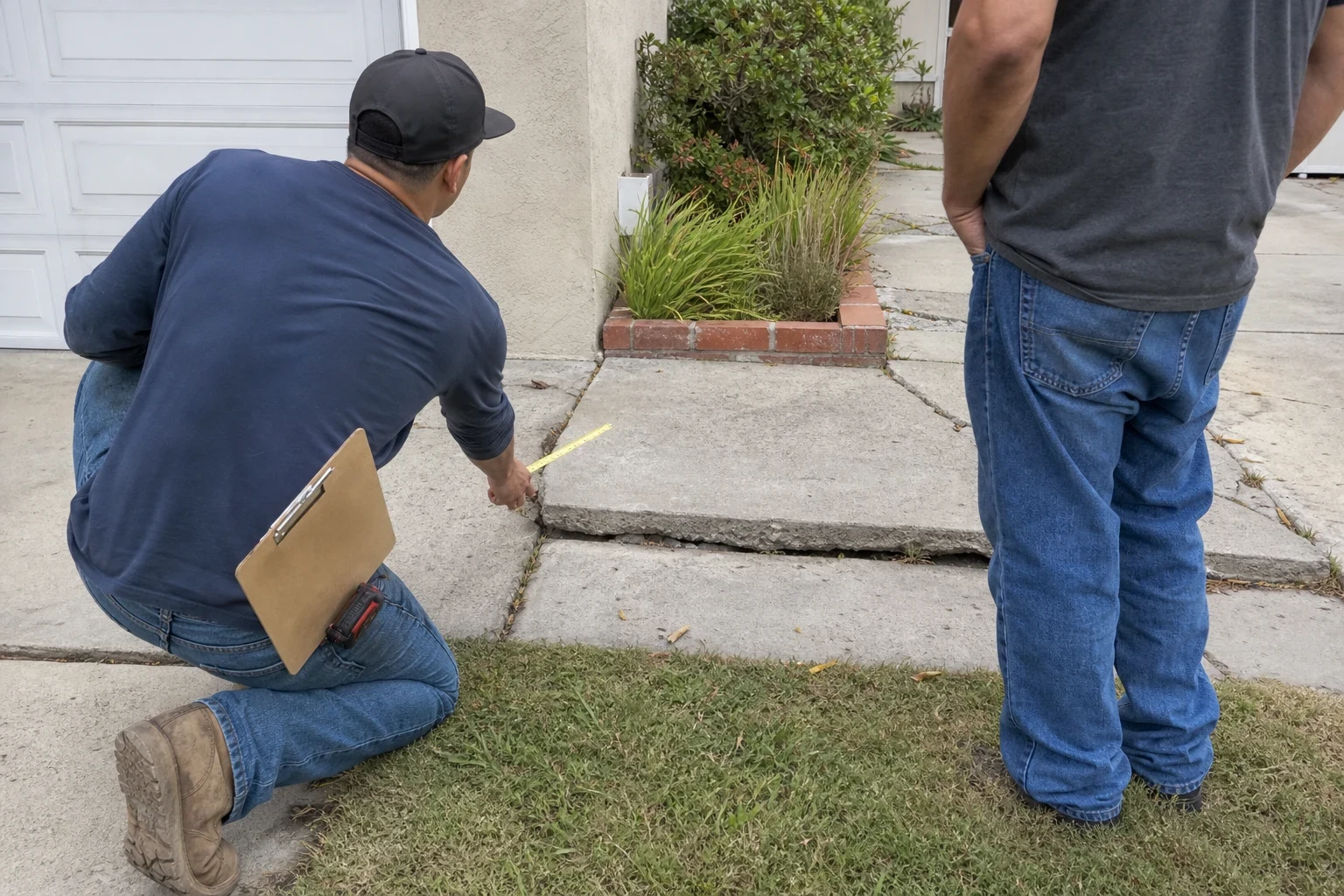
We start with a conversation about how you want to use the yard, then visit to measure, study drainage and check how we can get equipment through the side yard. Afterward you get a written estimate with each line item spelled out.
- 2
Scheduling the weather window
Pour dates are set by the forecast. Summer jobs begin early in the morning so the surface stays workable through finishing, and during the rainy months we wait for several dry days in a row.
- 3
Demolition, grading and forming
We clear out the old material, set and compact the grade, and install forms and reinforcement. When a permit is required, the inspector signs off at this point, ahead of delivery day.
- 4
Placing and finishing
Concrete goes into the forms, gets screeded flat and receives the texture you picked. Control joints are tooled or saw-cut on a planned grid, and bigger yards may go in as separate sections over more than one day.
- 5
Curing and walk-through
We keep the surface damp or apply a curing compound so strength develops evenly. You can walk on it lightly after a day or two, and we tour the yard with you before signing off.
What Shapes the Price of a Backyard
No two yards measure out the same, so we price yours only after we have walked it and checked the ground. The items below move the number more than anything else. Each appears as its own line on your written estimate, so the total you approve is the total you see at the end.
- Area and slab depth
- How many square feet we cover sets the volume of concrete and the hours of labor. Spots meant to hold a hot tub or a shed may need a deeper section, which adds material.
- How we reach the pour
- When a gate is wide enough, the truck chute or a line pump can deliver concrete straight to the forms. A tight side yard often means more hose length or moving concrete by wheelbarrow.
- Demolition and soil removal
- Old slabs to break up, roots to pull and excess dirt to haul all take crew time and add disposal fees.
- Surface texture and color
- Plain broom texture costs the least. Integral color, exposed aggregate and stamped patterns each call for extra material and longer finishing work.
- Drains and permits
- Inlets set into the slab, added grading work and any permit or inspection fee are shown separately.
Backyard Concrete Questions
Something not covered here? (714) 455-1826
What time of year is best for pouring a backyard?
Spring and early fall tend to cure most evenly, thanks to mild temperatures and dry weather. Summer pours go well with early starts and attentive curing. If your yard floods or turns muddy, we recommend getting the slab in before the winter rains so you are not living with the problem another season.
Will my new concrete crack?
All concrete loses a little volume while it cures, so fine surface cracks are expected. Our control joints give that shrinkage a straight, intended place to show up rather than letting it wander. A firmly compacted base and properly placed reinforcement help keep any cracks narrow.
How soon can we use the yard?
Walking on it is fine after a day or two. Outdoor furniture can usually return in about a week, and anything heavy should wait close to a month while the concrete reaches full strength.
Do you need a permit for a backyard slab?
Plenty of flatwork behind a house goes ahead without one, though drainage changes or added structures can trigger a requirement. We check the rules that apply to your property, and when a permit is needed we pull it and book the inspection ourselves. That work is done under our contractor's license, since we are licensed by the California State License Board (CSLB).
Can you keep some planting areas?
Yes. Homeowners often keep beds along a fence line or a ring of soil around a tree, and we build those openings into the forms from day one. Giving roots room also helps the slab stay flat over time.
Is the work covered after you finish?
Yes. Each backyard we pour carries a 1-year warranty. With 15+ years in business behind us, we stand by the base work and finishing in every yard we complete.
Get Your Yard Ready Before the Season Turns
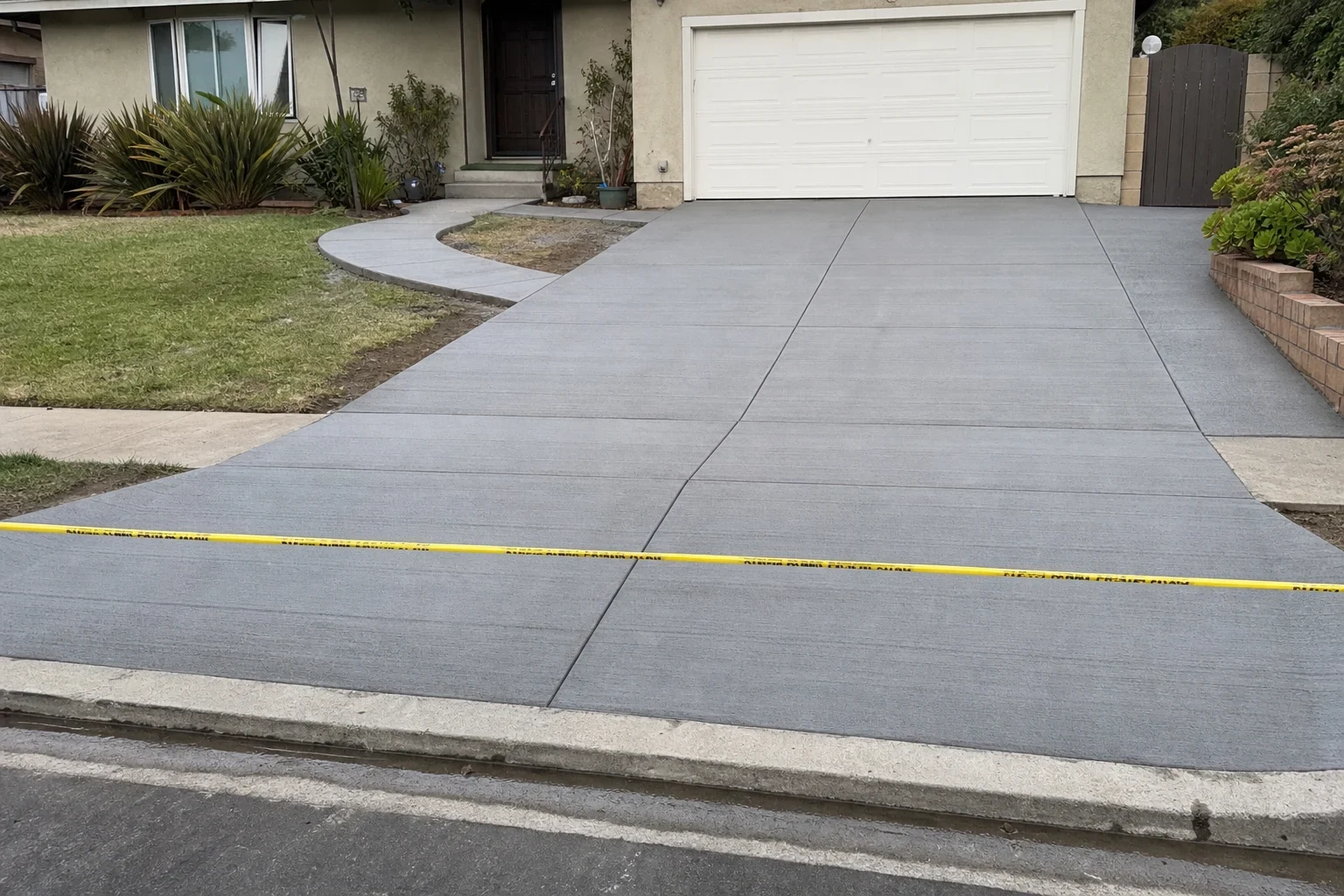
Describe the yard as it stands today and the way you hope to spend time in it. From there we arrange a visit, take measurements and put a line-item estimate in your hands.